

2026-07-17 16:36:46
In modern construction, glass is no longer only used as a transparent building material. With advances in glass processing technology, architectural glass has become an important element in commercial buildings, residential projects, interior design, and large-scale architectural applications. It combines functionality, safety, energy efficiency, and aesthetic value, helping architects and developers create innovative spaces.
For architects, contractors, and construction companies, choosing the right glass solution requires understanding different types of architectural glass, their applications, and the capabilities of reliable architectural glass manufacturers.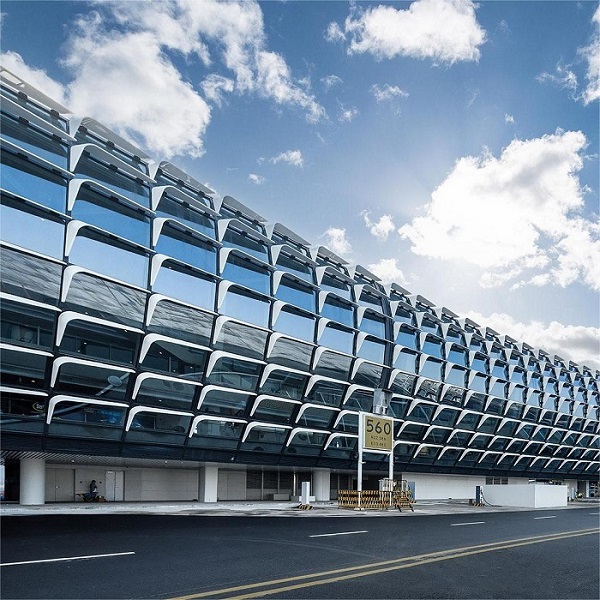
Architectural glass refers to specially processed glass products designed for use in building structures and architectural projects. Unlike ordinary glass, architectural glass is manufactured with advanced technologies such as tempering, lamination, coating, bending, and insulation processes to improve strength, safety, durability, and performance.
Today, architectural glass is widely used for building facades, curtain walls, windows, doors, partitions, skylights, glass roofs, and decorative applications. It allows natural light to enter buildings while providing modern design possibilities.
The use of glass in architecture has transformed modern building design. Architects use glass to create open, bright, and visually connected spaces while improving the appearance of buildings.
Compared with traditional construction materials, glass provides unique advantages:
Natural lighting: Glass allows more daylight into interior spaces, reducing dependence on artificial lighting.
Modern appearance: Large glass surfaces create clean and contemporary architectural styles.
Space expansion: Transparent structures make buildings feel larger and more connected to the environment.
Energy efficiency: Advanced insulated glass solutions help improve building thermal performance.
Safety performance: Tempered and Laminated glass provides enhanced protection for commercial and residential buildings.
1. Tempered Architectural Glass
Tempered glass is one of the most commonly used types of architectural glass. Through a special heat treatment process, tempered glass has higher strength and better impact resistance compared with standard glass.
It is widely used in glass doors, windows, curtain walls, office buildings, shopping centers, and public facilities.
Learn more about our tempered glass solutionsfor different architectural applications.
2. Laminated Architectural Glass
Laminated glass consists of two or more glass layers bonded with an interlayer such as PVB or SGP. This structure provides excellent safety performance because the glass remains attached after breakage.
It is commonly used in high-rise buildings, skylights, safety glazing, and projects requiring additional protection.
Explore our laminated glass productsfor safety-focused architectural projects.
Insulated glass is designed with multiple glass panels separated by an air or gas-filled space. It improves thermal insulation and sound reduction, making it an ideal solution for energy-efficient buildings.
Modern commercial buildings increasingly use insulated glass to meet energy-saving requirements and improve indoor comfort.
Check our Insulating glass solutionsfor energy-efficient architecture.
Architectural art glass combines glass functionality with artistic design. Through special colors, patterns, textures, and processing techniques, decorative glass can enhance the visual identity of buildings.
It is often used in hotels, luxury residences, commercial interiors, churches, museums, and customized architectural projects.
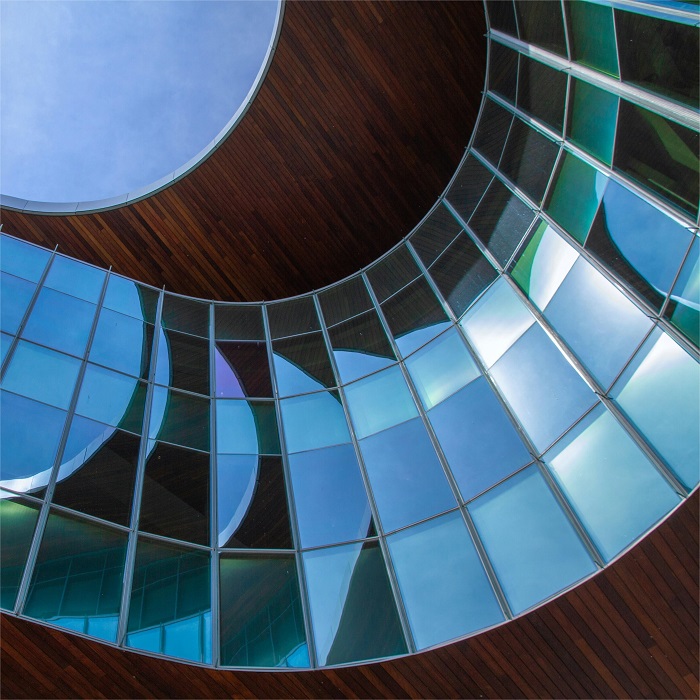
As architects continue to explore creative building concepts, architectural art glass has become increasingly popular. It provides designers with more freedom to create unique visual effects while maintaining practical performance.
From decorative glass walls to customized glass panels, art glass allows buildings to express different styles and brand identities.
Glass house architecture is a popular example of how glass can redefine residential design. By using large glass panels, architects can create homes with better views, stronger connections with nature, and brighter living environments.
However, glass house projects require carefully selected materials. Factors such as insulation, safety, solar control, and structural performance must be considered during the design stage.
Professional architectural glass manufacturers help homeowners, architects, and contractors select suitable glass solutions based on climate conditions and project requirements.
Architectural glass is widely used in various construction fields, including:
Commercial building facades
Glass curtain walls
Office buildings
Shopping malls
Hotels and luxury residences
Glass house architecture projects
Interior glass partitions
Skylights and glass roofs
Selecting the right glass supplier is important for ensuring project quality and long-term performance. Professional architectural glass manufacturers should provide:
Advanced glass processing capabilities
Strict quality control systems
Customized glass solutions
Technical support for architects and contractors
Reliable production and delivery capacity
YT Glass provides customized architectural glass solutions for global construction projects, including tempered glass, laminated glass, insulated glass, curved glass, and decorative glass products.
Architectural glass has become an essential material in modern construction, combining beauty, safety, and functionality. From commercial buildings to innovative glass architecture houses, glass continues to shape the future of architectural design.
By working with experienced architectural glass manufacturers, architects, developers, and contractors can achieve customized solutions that meet both design goals and performance requirements.

Building 1, No. 82 Chaodong Road, Chashan Town, Dongguan City, Guangdong Province
+86 13725796789
Copyright © 2026 Dongguan Yinjian Glass Engineering Co., Ltd All Rights Reserved