
2026-10-10 09:25:22
Fire safety is one of the few areas of building design where there is no room for compromise. Fireproof glass plays a central role in that strategy, containing fire and smoke while keeping escape routes and compartments intact. This article explains the main types of fire-rated glass, how they are classified, and how to select the right one for a project.
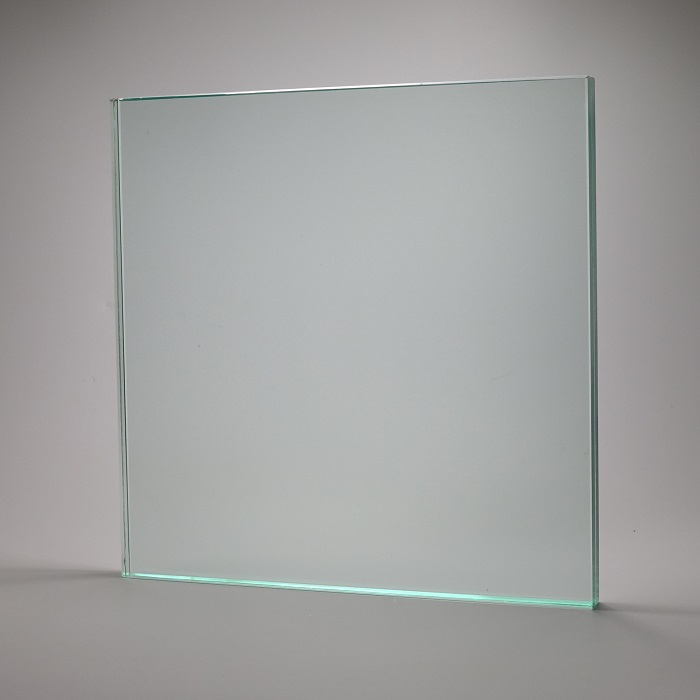
Fireproof glass is a fire-rated glazing material designed to resist the passage of fire, smoke, and heat for a defined period. It is used in fire doors, fire-rated partitions, and facade systems where a transparent barrier is required.
Fire-rated glass is not a single product. Different types offer different levels of protection, and choosing the wrong one can leave a building non-compliant with fire codes.
Wired glass. Traditional wired glass contains a wire mesh that holds the glass together when it cracks. It offers basic integrity but limited heat insulation, and modern codes restrict its use in areas requiring insulation.
Laminated fire-resistant glass. This glass uses special interlayers that intumesce — expand — when exposed to heat, forming an insulating barrier. It provides both integrity and insulation for longer periods.
Ceramic (borosilicate) glass. Ceramic glass has a very low thermal expansion, so it resists thermal shock far better than ordinary glass. It is used in areas exposed to high temperatures and rapid temperature changes.
Intumescent-filled glass. This system combines glass panes with a clear intumescent gel that turns opaque and insulating under fire, offering high performance for demanding applications.
Fire-rated glazing is classified by two main criteria: integrity and insulation.
Integrity (E). The glass prevents the passage of flames and hot gases. It does not limit heat radiation, so it is used where radiant heat is not a concern.
Integrity and insulation (EI). The glass also limits heat transfer, keeping the non-fire side below a specified temperature. This is required for escape routes and compartments where people may be present.
Ratings are expressed in minutes — commonly 30, 60, 90, or 120 — and must match the requirement of the building code and the specific location in the building.
Required rating. Start with the fire rating the location demands. A corridor separating wall may need 60 minutes of insulation, while an internal window may only need integrity.
Location and exposure. Glazing on an external facade faces different conditions than internal partitions, including weather, wind load, and impact. The selected glass must satisfy both fire and structural requirements.
Temperature and thermal shock. In kitchens, industrial areas, or sun-exposed facades, thermal shock resistance becomes a deciding factor and points toward ceramic glass.
Frame compatibility. Fire-rated glazing only performs as intended when installed in a compatible, tested frame system. The glass and frame must be certified together.
Fire-rated glass is part of the building's passive fire protection system. It slows the spread of fire and smoke, protects escape routes, and gives occupants and emergency services valuable time. Because it is transparent, it also preserves daylight and visual openness — something solid fire barriers cannot do.
The key is to select the correct rating for each location and install it within a tested system, so the performance delivered in the laboratory is the performance delivered in the building.
Choosing fireproof glass means matching the type — wired, laminated, ceramic, or intumescent-filled — to the required fire rating, location, and thermal conditions. Specify the correct integrity or insulation class for each opening, and always pair the glass with a compatible frame. Done properly, fire-rated glazing protects lives without darkening the building.
Working with a manufacturer experienced in fire-rated glass systems ensures that both the glazing and its certification meet the demands of the project.

Building 1, No. 82 Chaodong Road, Chashan Town, Dongguan City, Guangdong Province
+86 13725796789
Copyright © 2026 Dongguan Yinjian Glass Engineering Co., Ltd All Rights Reserved